Weird Genius: A Display Font That Doesn't Take Itself Too Seriously
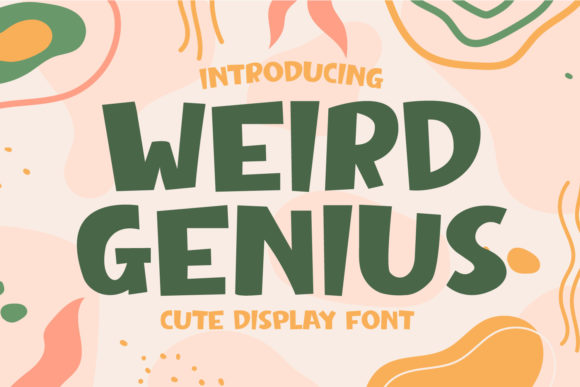
Let's be honest: most of us have scrolled through font libraries for an embarrassing amount of time, searching for that one typeface that doesn't look like it belongs on a tax form or a ransom note. If your project calls for personality, charm, and a touch of whimsy, you're probably tired of the same old safe choices. Enter Weird Genius, a display font that leans into its playful, thick-lettered nature without apology. It's the kind of typeface that makes you smile before you even read the words, and that emotional reaction is worth its weight in gold for anyone trying to connect with an audience.
More Than Just a Funny Name
Weird Genius isn't trying to be everything to everyone, and that's precisely its strength. The letterforms are bold, rounded, and carry a hand-crafted quality that feels approachable rather than sterile. Each character has enough weight to command attention on a poster or a product label, yet the overall aesthetic stays friendly and inviting. There's an authenticity baked into the design that resonates especially well with projects aimed at families, children, educators, or anyone who values warmth over corporate polish.
What makes this particular typeface stand out in a crowded market of display fonts is its balance. It's thick enough to read clearly at larger sizes, playful enough to inject energy into a layout, and distinctive enough that your designs won't blend into the background. Think of it as the font equivalent of a favorite children's book illustrator—someone whose style you recognize instantly and trust because it feels genuine.
Where This Font Actually Shines
Choosing the right typeface for a project isn't just about aesthetics; it's about matching visual tone to audience expectations. Weird Genius slots naturally into a surprising range of applications, particularly where you want to communicate fun, creativity, and approachability.
Consider these real-world scenarios where a font like this earns its place in your toolkit:
- Children's book covers and interior layouts where readability and charm matter equally.
- Party invitations and event flyers for birthdays, school fundraisers, or community gatherings.
- Packaging design for kids' snacks, craft kits, educational toys, or candy brands that want to stand out on a shelf.
- Logo design for daycare centers, tutoring services, pediatric practices, or family-friendly restaurants.
- Social media graphics targeting parents, teachers, or young audiences who respond to bold, expressive visuals.
- Merchandise like t-shirts, tote bags, stickers, and notebooks sold at school book fairs or on platforms like Etsy.
- Blog headers and website banners for parenting blogs, homeschool resource sites, or creative lifestyle content.
- Posters and signage for classroom walls, library reading programs, or after-school activity announcements.
- Digital products such as printable worksheets, flashcards, or educational PDFs that need visual appeal without sacrificing clarity.
The common thread here is audience. If the people you're designing for value playfulness and authenticity—whether they're five years old or thirty-five—this typeface communicates that tone before a single word is processed.
Pairing Weird Genius Without the Guesswork
A bold display font rarely works in isolation. You'll almost always need a secondary typeface for body copy, captions, or supporting text. The trick is choosing a partner that complements without competing.
Since Weird Genius brings personality and visual weight, your best bet is pairing it with something quieter. A clean sans serif font works beautifully for paragraphs and smaller text elements—think something like Open Sans, Lato, or Montserrat. These typefaces step back gracefully, letting the display font do the heavy lifting while keeping longer passages easy to read.
If your project leans more editorial or print-heavy, a simple serif font like Lora or Merriweather can add a touch of sophistication to body text while still harmonizing with the playful header. The key principle here is contrast in personality but consistency in quality. Both fonts should feel intentional, not accidental.
Before committing to a pairing, test it in context. Drop both typefaces into a mockup of your actual project—a social media post, a product label, a blog layout—and see how they interact at real sizes. What looks great on a font specimen page sometimes falls apart in practice. Pay attention to spacing, weight contrast, and how the overall hierarchy reads at a glance.
Practical Considerations Before You Commit
Anytime you're investing in a premium font for commercial use, a few practical checkpoints save headaches down the road.
First, review the full character set and any included styles. Some display fonts come with alternates, ligatures, or multiple weights that expand your creative options significantly. Knowing what's included upfront helps you plan layouts more effectively and avoid discovering limitations mid-project.
Second, think about readability at the sizes you'll actually use. Display fonts like Weird Genius are designed for headlines, titles, and short bursts of text—not for setting an entire paragraph at 11 points. Respect the font's intended purpose, and it will reward you with strong visual impact. Push it into roles it wasn't built for, and you risk frustrating your audience.
Third, always verify the licensing terms. If you're designing for a client, selling merchandise, or using the font in digital products you distribute, you need a license that covers commercial use. This isn't the place to cut corners. Using a font outside its license terms can lead to legal issues that no small business owner or freelancer wants to deal with. Read the fine print, understand what's permitted, and if a project falls into a gray area, reach out to the foundry or seller for clarification.
Finally, consider how this typeface fits into your broader brand identity. A single font choice doesn't make or break a brand, but it does contribute to the visual story you're telling. If your brand voice is energetic, youthful, or community-oriented, a playful display font reinforces that positioning. If your brand is more minimalist and corporate, you might reserve this typeface for specific campaigns or seasonal promotions rather than everyday use.
Building Visual Consistency Across Platforms
One of the most overlooked benefits of choosing the right creative font is the consistency it brings to multi-platform projects. When you use Weird Genius across a children's workshop series—on the registration flyer, the social media countdown, the printable activity sheets, and the thank-you certificates—you create a cohesive visual thread that ties everything together. Parents and participants recognize the style instantly, which strengthens brand recognition without requiring a single explanatory word.
This principle applies whether you're a solo creator building a personal brand, a small business launching a new product line, or a marketing team rolling out a campaign. Typography is one of the most powerful tools for creating that sense of "this all belongs together," and a distinctive display font makes that job significantly easier.
The bottom line is this: not every project needs a serious, buttoned-up typeface. Sometimes the smartest design choice is the one that brings a little joy. Weird Genius does exactly that—boldly, authentically, and with enough versatility to earn a lasting spot in your design assets collection.