Happy Unicorn: The Display Font That Brings Joy to Every Design
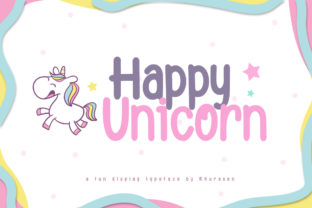
There’s something undeniably magical about a typeface that can instantly make you smile. Happy Unicorn is exactly that—a fun and lovely display font that captures a sense of whimsy, creativity, and playful energy. Whether you’re designing a birthday invitation, crafting a brand identity for a children’s product, or creating social media graphics that need to pop, this font brings a unique charm that’s hard to ignore. But beyond its cheerful appearance, Happy Unicorn is a surprisingly versatile tool for designers, entrepreneurs, and creators who want to inject personality into their projects without sacrificing professionalism.
What Makes Happy Unicorn Stand Out?
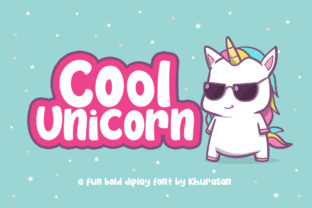
At first glance, you’ll notice its rounded, friendly letterforms and slightly irregular baseline that gives it a handcrafted feel. Unlike rigid geometric typefaces, Happy Unicorn embraces imperfection in the best way possible—each character feels like it was drawn with care, not mass-produced. The curves are soft, the spacing is generous, and the overall aesthetic strikes a balance between playful and polished. It’s not trying to be a minimalist sans serif or a traditional serif font. Instead, it carves out its own space as a display font that prioritizes personality and emotional impact.
What really sets it apart is its ability to evoke joy without feeling childish. Yes, it works beautifully for kids’ projects, but it also translates well into adult-oriented designs when used thoughtfully. Think of a boutique bakery’s logo, a wellness brand’s packaging, or a lifestyle blog’s header—Happy Unicorn can add warmth and approachability that resonates across age groups.
Practical Applications Across Creative Projects
The beauty of a premium font like Happy Unicorn lies in its flexibility. Here’s where it truly shines:
- Branding and Logo Design: If your brand identity leans toward friendly, creative, or artisanal, this typeface can become a cornerstone of your visual language. It works exceptionally well for logos that need to communicate approachability—think handmade goods, children’s apparel, or creative studios.
- Packaging Design: Product labels, box designs, and wrapping materials benefit from fonts that catch the eye on a crowded shelf. Happy Unicorn’s distinctive style makes it ideal for food packaging, beauty products, or gift items where first impressions matter.
- Social Media Graphics: In a feed full of generic typography, a creative font like this can stop the scroll. Use it for Instagram quotes, Pinterest pins, or Facebook ads that need to convey energy and positivity.
- Invitations and Event Materials: Birthday parties, baby showers, weddings with a whimsical theme, or community events—Happy Unicorn adds a celebratory touch that feels personal rather than generic.
- Digital Products and Marketing Assets: E-book covers, course graphics, email headers, and lead magnets all benefit from typography that feels fresh and engaging. Pair it with clean sans serif fonts for body text to maintain readability while keeping the visual interest high.
- Merchandise and Print Materials: Tote bags, mugs, stickers, posters, and greeting cards—any physical product where the font itself becomes part of the design appeal. Its bold, friendly presence makes it work well at larger sizes where its details can really shine.
How the Right Display Font Elevates Your Brand
Typography is one of the most underrated tools in brand identity. The fonts you choose communicate volumes about your brand’s personality before anyone reads a single word. A modern typography choice like Happy Unicorn signals creativity, warmth, and a willingness to stand out. For small business owners and entrepreneurs, this can be the difference between blending in and being remembered.
Consider how font consistency across your website, social media, packaging, and print materials builds recognition. When customers see that distinctive, joyful lettering on your Instagram post and then encounter it again on your product label, it reinforces trust and familiarity. That’s the power of a cohesive typeface strategy—it turns scattered design elements into a unified brand experience.
Happy Unicorn also excels in editorial design contexts. Blog headers, magazine pull quotes, and chapter titles in digital publications can all benefit from its expressive character. It draws readers in and creates visual hierarchy without overwhelming the content. Just be mindful of context—it’s a display font, so it’s meant for headlines, titles, and accent text, not long paragraphs of body copy.
Pairing Happy Unicorn with Other Fonts
One of the most practical considerations when working with any display font is how it interacts with your supporting typography. Happy Unicorn pairs beautifully with clean, neutral typefaces that let its personality take center stage. A simple sans serif font for body text creates a pleasing contrast—the playful energy of Happy Unicorn balanced by the clarity and readability of a more straightforward companion.
For projects that need a touch more elegance, consider pairing it with a light serif font. The combination of whimsical display text with refined body copy can work well for lifestyle blogs, boutique branding, or editorial layouts. If you’re working on a project that leans more casual or handcrafted, a complementary handwritten font or script font in smaller doses can add another layer of texture without competing for attention.
The key is to test your font pairing in context. Mock up your designs at actual size and view them on different devices. What looks charming at 72pt on your desktop might lose its charm at 14pt on a mobile screen. Always prioritize readability—your audience should be able to absorb your message without straining.
Licensing, File Formats, and Practical Considerations
Before you commit to any commercial font, it’s worth understanding the licensing terms. Most premium fonts, including Happy Unicorn, come with clear guidelines about where and how you can use them. Whether you’re creating designs for personal projects, client work, or commercial products, make sure your license covers your intended use. This is especially important for design assets that will be distributed—like templates, merchandise, or digital products sold to others.
Check what’s included with your purchase. A well-packaged font often comes with multiple styles—regular, bold, italic, or alternates—that expand your creative options. Some versions might include additional characters, ligatures, or stylistic sets that give you more flexibility in web design, print layouts, or social media templates.
Also consider how the font renders across platforms. Test it in your actual workflow—does it look as good in your design software as it does on a live website? Does it maintain its charm when printed on different materials? These practical checks save you from surprises down the line and ensure your investment in a quality typeface pays off across every touchpoint.
Bringing It All Together
Happy Unicorn isn’t just a font—it’s a design decision that communicates joy, creativity, and intentionality. For designers juggling multiple client needs, it offers a reliable way to inject personality into projects that call for something beyond the ordinary. For small business owners building their brand from scratch, it provides a distinctive voice that customers will associate with warmth and approachability. And for content creators, crafters, and hobbyists, it’s a tool that makes everyday projects feel a little more special.
The best typography choices are the ones that feel inevitable—like they were always meant to be part of your design. When you find a font that aligns with your project’s goals and your audience’s expectations, everything clicks. Happy Unicorn might just be that missing piece for your next creative endeavor. Give it a try in a mockup, pair it with your favorite sans serif, and see how it transforms the feel of your work. Sometimes, the right typeface doesn’t just complete a design—it defines it.