Rockstyle: The Bold Typeface That Brings Energy to Every Design
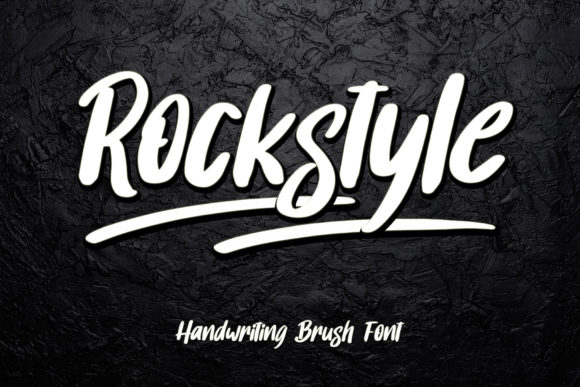
You know that feeling when a design just needs a little grit? When a project calls for something that doesn’t whisper but shouts with character? That’s where a typeface like Rockstyle enters the conversation. It’s a natural and display font, built with a tough-looking aesthetic and a strong brush touch that feels ready to rock every design you throw at it. Whether you’re crafting a logo, laying out a quote, designing a poster, or creating merchandise, this font brings a raw, energetic vibe that’s hard to ignore. Let’s explore how this kind of typeface can become a secret weapon in your creative toolkit.
Understanding the Visual Punch of a Brush-Inspired Display Font
Rockstyle isn’t just another font—it’s a statement. Its brush-inspired strokes give it an organic, hand-crafted feel that digital fonts often lack. This isn’t about delicate serifs or clean sans serifs; it’s about personality. The thick, uneven edges mimic the pressure and movement of an actual brush, which adds a layer of authenticity and warmth. This makes it particularly effective for projects where you want to convey energy, rebellion, or a handmade quality. Think of a surf shop logo, a music festival poster, or a craft brewery label. The font’s tough appearance doesn’t sacrifice readability, though. At larger sizes, its details shine, making it perfect for headlines and display text where impact is key.
When you’re working on a brand identity, consistency is everything. A font like Rockstyle can serve as the anchor for a visual system that feels cohesive yet dynamic. Imagine using it for your primary logo wordmark and then pulling its brush-like qualities into other elements—like subheadings on a website or pull quotes in a brochure. This creates a subtle thread that ties everything together without feeling repetitive. It’s a premium font choice for brands that want to stand out in crowded markets, from streetwear labels to indie coffee roasters.
From Logos to Social Media: Practical Applications Across Projects
The true test of any creative font is how it performs in real-world scenarios. Rockstyle’s versatility might surprise you. For logo design, its bold strokes ensure your brand name is memorable and scalable—from a tiny favicon to a large signage display. In packaging design, it can evoke a sense of craftsmanship or adventure, depending on the color palette and accompanying graphics. Pair it with a simple sans serif for body text on a product label, and you’ve got a design that’s both striking and functional.
Social media graphics are another playground for this typeface. Instagram stories, YouTube thumbnails, and Pinterest pins all compete for attention in fast-scrolling feeds. A font with this much personality can stop thumbs and boost engagement. Use it for impactful quotes, sale announcements, or event promotions. Its natural, handwritten quality feels approachable and authentic, which resonates well with audiences tired of overly polished corporate aesthetics.
Don’t overlook print materials, either. Posters, flyers, and invitations benefit from a font that can carry a theme on its own. A music event poster set in Rockstyle instantly communicates energy and genre. Wedding invitations for a rustic or boho theme could use it for names and details, adding a personal touch that scripted fonts sometimes miss. For editorial design, it works beautifully for chapter titles or magazine cover lines, especially in genres like travel, sports, or lifestyle where a sense of action is desirable.
Pairing and Practicality: Making the Font Work for You
One of the most common questions designers have about display fonts is how to pair them. Rockstyle’s strong presence means it works best when balanced with cleaner, more neutral typefaces. A classic sans serif like Open Sans or Montserrat for body text creates a harmonious contrast, letting the display font command attention without overwhelming the page. If you’re going for a more eclectic feel, a simple serif like Lora or Merriweather can add sophistication. The key is to let Rockstyle be the star in headlines and logos, while supporting it with fonts that prioritize readability for longer passages.
Testing font pairings before finalizing a design is crucial. Mock up a few variations of your project—maybe a logo with different tagline fonts, or a social media graphic with various text layouts. See how the fonts interact in terms of size, weight, and spacing. Rockstyle’s brush texture might look best with generous line height and letter spacing to avoid a cluttered feel. Always check the included font styles; many premium fonts come with multiple weights or alternates that can add flexibility to your designs.
Readability is another practical consideration. While Rockstyle excels at large sizes, it’s not intended for body copy or small text. Use it where it belongs—in headlines, logos, and callouts—and choose a highly legible font for paragraphs. This ensures your message is communicated clearly while still benefiting from the font’s visual flair. For websites, consider using it for hero sections or banner text, paired with a web-optimized sans serif for navigation and content.
Beyond Aesthetics: Strategic Use in Branding and Marketing
A font isn’t just a design choice; it’s a branding decision. The typefaces you select communicate values and personality before a single word is read. Rockstyle’s rugged, energetic vibe can help position a brand as bold, creative, and unconventional. For entrepreneurs and small business owners, this can be a powerful way to differentiate in a market saturated with minimalist, corporate aesthetics. It’s especially effective for brands targeting younger demographics or those in creative industries like music, fashion, outdoor sports, or artisanal goods.
In marketing assets—from email headers to digital ads—consistent use of a distinctive font builds recognition. When your audience sees that brush-style text, they’ll associate it with your brand’s voice and values. This kind of visual consistency across platforms strengthens brand identity and fosters loyalty. For content creators and bloggers, using a font like this for featured images or chapter headings can elevate the perceived quality of your work, making it feel more professional and curated.
Finally, always consider commercial licensing. If you’re using a font for client work, merchandise, or any project that generates revenue, ensure you have the proper license. Many premium fonts, including creative fonts like Rockstyle, offer clear licensing options for different uses. This protects both you and the font creator, and it’s a hallmark of professional practice in design and marketing.
So, whether you’re redesigning a logo, launching a new product line, or just looking to inject some energy into your next creative project, keep a typeface like Rockstyle in your arsenal. Its blend of natural brush texture and bold display presence offers a unique tool for visual storytelling—one that can help your designs stand out, connect with audiences, and leave a lasting impression.