Rombi: The Geometric Display Font That Makes Kids' Brands Pop
Ever notice how some children's brands just feel instantly recognizable? That's often down to smart typography choices that balance playfulness with clarity. If you're working on a project targeting families, educators, or young audiences, finding a font that feels both modern and approachable can be a game-changer. That's where Rombi enters the picture—a geometric display typeface designed to inject energy and structure into creative work without sacrificing warmth.
Why Geometric Fonts Work for Youthful Projects
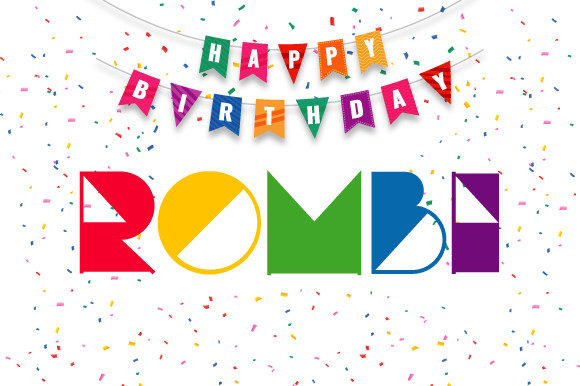
Geometric typefaces like Rombi are built on simple shapes—circles, squares, and triangles—which gives them a clean, almost architectural feel. But unlike some stark, ultra-modern fonts, Rombi has subtle curves and balanced proportions that keep it from feeling cold. This makes it particularly effective for projects where you want to communicate creativity and reliability at the same time.
Think about a children's bookstore branding itself as both educational and fun. Or a kids' clothing line that wants to look stylish without being overly serious. Rombi's letterforms offer enough personality to stand out in a crowded market, yet they're structured enough to maintain readability across different sizes and mediums. It's this duality that makes it a versatile asset for designers and business owners alike.
Practical Applications: From Logos to Lunchboxes
One of the strongest aspects of Rombi is its adaptability. As a display font, it's designed to catch the eye, which makes it ideal for headlines, logos, and branding elements. But its geometric clarity also means it holds up well in shorter blocks of text, like product names on packaging or calls-to-action on websites.
Here are some specific scenarios where Rombi shines:
- Logo Design: Its bold, clean lines create memorable wordmarks that scale beautifully from favicon to signage.
- Packaging Design: Use it for product titles on children's snacks, toys, or educational kits to convey quality and playfulness.
- Social Media Graphics: Rombi's distinctive style helps posts stand out in crowded feeds, especially for brands targeting parents or educators.
- Editorial Layouts: Pair it with a simple sans serif font for body text in kids' magazines or activity books to create visual hierarchy.
- Invitations and Event Materials: Birthday party invites, school event posters, and workshop flyers gain instant personality with Rombi headlines.
- Digital Products: E-books, online course materials, and downloadable worksheets look more polished and engaging with consistent typography.
For small business owners, this versatility means you can maintain a cohesive brand identity across multiple touchpoints without needing a dozen different fonts. That consistency builds recognition—when parents see your distinct lettering on a social post, they'll instantly connect it to your product packaging or website.
Pairing Rombi with Other Typefaces
While Rombi makes a strong statement on its own, most projects benefit from thoughtful font pairing. The key is to choose a complementary typeface that handles longer text while letting Rombi dominate the headlines.
Since Rombi is geometric and display-oriented, consider pairing it with:
- A clean sans serif like Open Sans or Lato for body copy—these keep the modern feel without competing for attention.
- A soft script font for accent text, like on thank-you cards or special announcements, to add a handwritten touch.
- A simple serif like Merriweather for editorial projects where you want a slightly traditional counterpoint.
Always test your pairings at different sizes. What looks balanced on a desktop screen might feel cluttered on a mobile device, and vice versa. Print out samples if you're working on physical materials—colors and paper texture can affect how letterforms appear.
Readability and Audience Considerations
When designing for children or family audiences, readability isn't just a nice-to-have—it's essential. While Rombi's geometric structure aids clarity, it's still a display font, which means it's optimized for larger sizes. Avoid using it for long paragraphs of body text, especially at small sizes where its distinctive features might become distracting.
Instead, reserve Rombi for moments where you want to make an impact: section headers, pull quotes, product names, or key messages. For everything else, stick with a highly legible sans serif or serif font designed for extended reading.
Also consider your specific audience. For early literacy products, you might want to ensure letters are easily distinguishable (like clear 'a' and 'o' shapes). Rombi's design generally supports this, but it's always worth reviewing against your project's needs.
Licensing and Practical Implementation
Before committing to any premium font, check the licensing terms. Most commercial fonts, including Rombi, come with specific usage rights—some cover only digital use, while others include print and merchandise. If you're planning to use it on products for sale (like T-shirts, mugs, or printed books), make sure your license permits that.
Once you've acquired the font, take time to explore all its styles. Many display fonts include variations like bold, condensed, or italic versions that expand your design options. These can be particularly useful for creating visual hierarchy within a single project.
Finally, remember that typography is just one element of your design system. The most effective brands combine thoughtful font choices with consistent color palettes, imagery, and messaging. Rombi can be a powerful part of that equation, but it works best when integrated intentionally into your broader creative strategy.
Whether you're refreshing a children's brand, launching a new family-oriented product, or creating educational materials, having the right typeface in your toolkit makes the design process smoother and the results more professional. Rombi offers a distinctive yet flexible option that can help your projects resonate with young audiences and the adults who make decisions for them.