Charlestonian: The Art Deco Font That Makes Every Project Shine
There’s something magnetic about Art Deco design. The geometric precision, the glamorous curves, the way it manages to feel both vintage and futuristic at the same time. When you encounter a typeface that captures that energy—something like Charlestonian—you immediately start imagining possibilities. Wedding invitations with a Gatsby-era flair. A boutique bakery logo that whispers sophistication. A social media campaign that stops the endless scroll. This isn’t just another display font sitting in your library collecting digital dust. It’s a creative tool with real personality, and understanding how to wield it can transform projects from forgettable to unforgettable.
Why Art Deco Still Captivates Modern Audiences
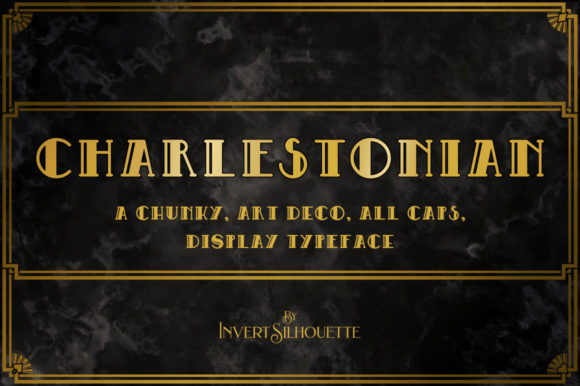
Art Deco emerged in the 1920s and 1930s, but its influence never really faded. You see it in luxury branding, in high-end packaging, in the architecture of buildings that still turn heads a century later. The style communicates wealth, elegance, and confidence without saying a word. Charlestonian taps directly into that visual language. Its letterforms feature the clean geometry and balanced proportions that define the Art Deco movement, but with enough modern refinement to avoid looking like a period costume.
What makes this particular typeface work so well for contemporary projects is its versatility within a specific aesthetic. Some Art Deco fonts lean too heavily into novelty and become difficult to read at smaller sizes. Others strip away so much character that they lose the decorative appeal entirely. Charlestonian occupies that sweet spot where personality meets functionality. The strokes feel deliberate, the spacing feels intentional, and the overall impression is one of curated taste rather than kitschy nostalgia.
Where This Typeface Truly Excels
Think about the brands you admire—the ones with visual identities that feel cohesive and intentional. Typography plays a massive role in that perception. A premium font like Charlestonian can anchor an entire brand identity when used thoughtfully. It works beautifully as a headline font for logo design, where those distinctive letterforms get maximum impact at larger sizes. Imagine a jewelry brand, a cocktail bar, a boutique hotel, or a high-end skincare line. The font immediately sets expectations about quality and style before a customer reads a single word of copy.
Packaging design is another arena where this typeface shines. On a shelf crowded with products competing for attention, distinctive typography creates an immediate visual anchor. Charlestonian brings that Art Deco elegance to wine labels, candle boxes, artisanal chocolate wrappers, and cosmetic packaging. The font communicates craftsmanship and attention to detail—exactly the message premium products need to convey.
Social media graphics benefit enormously from fonts with strong visual identity. When someone is scrolling through hundreds of posts, a striking headline typeface can be the difference between engagement and invisibility. Use it for quote graphics, announcement posts, sale promotions, or event invitations. Pair it with clean photography and a restrained color palette, and suddenly your Instagram grid looks like it belongs to a brand with a dedicated design team.
Print materials remain powerful marketing assets, and Charlestonian brings serious presence to posters, flyers, business cards, and editorial layouts. Event posters for galas, fundraisers, gallery openings, or theatrical productions gain instant atmosphere. Magazine headers and chapter titles in books or lookbooks acquire that editorial polish that signals professional production values.
Pairing Charlestonian With Other Fonts
No typeface works in isolation. Even the most beautiful display font needs complementary partners for body text, captions, and supporting copy. The key to successful font pairing is contrast without conflict. Since Charlestonian is a decorative serif with Art Deco character, it pairs naturally with clean sans serif fonts for longer passages of text. A geometric sans serif echoes the angular qualities of the display font, while a humanist sans serif provides softer contrast.
For projects that need a warmer, more personal touch alongside the structured elegance of Charlestonian, consider a subtle script font or handwritten font for accent text—think pull quotes, callout boxes, or secondary headlines. The trick is restraint. You rarely need more than two or three typefaces in any single project, and one of those should dominate while the others play supporting roles.
Test your pairings in context rather than in isolation. A font combination that looks harmonious in a specimen sheet might feel chaotic when applied to an actual website layout or a tri-fold brochure. Set sample text at the sizes you’ll actually use. Check how headlines interact with subheadings. Make sure body copy remains readable at typical paragraph sizes. Good typography disappears into the reading experience—it serves the content rather than competing with it.
Practical Considerations for Real Projects
Before committing any creative font to a commercial project, review what’s actually included in the package. Most premium fonts offer multiple weights, stylistic alternates, or extended character sets. Understanding the full range of available styles helps you make better design decisions. Maybe the regular weight works perfectly for headlines, but you need a lighter version for subheadings. Perhaps certain letter alternates give you more flexibility for customizing a wordmark or monogram.
Licensing matters more than many people realize, especially for commercial work. If you’re designing a logo for a client, creating merchandise for sale, or developing marketing materials for a business, you need appropriate commercial licensing. This protects both you and your clients from legal complications down the road. Read the license terms before purchase, and keep documentation organized. It’s the kind of unglamorous administrative task that prevents genuinely unpleasant surprises later.
Readability deserves honest assessment, even with display typefaces you love. Charlestonian works magnificently at larger sizes for headlines, logos, and display purposes. But setting an entire paragraph in a decorative Art Deco font would likely frustrate readers. Respect the font’s intended role. Use it where its personality amplifies your message, and switch to a more neutral typeface where clarity is the priority. This balance between expression and legibility separates amateur design from professional work.
Bringing It All Together
Every project has its own personality, its own audience, its own goals. The fonts you choose communicate volumes before anyone processes the actual words on the page. Charlestonian offers something specific: Art Deco sophistication with modern usability. It won’t be right for every project—and that’s precisely what makes it valuable when it is right. A tech startup’s user interface probably needs something different. But a luxury brand, a special event, a premium product line, an editorial publication with high design standards? That’s where this typeface earns its place in your toolkit.
The best approach is to experiment before you commit. Set your actual project text in the font. View it at multiple sizes. Print it out. Test it on screen. See how it feels alongside your color palette and imagery. Typography decisions that look theoretical become concrete once you see them in practice. When everything clicks—the right font, the right context, the right design choices—the result is work that looks intentional, polished, and genuinely memorable.