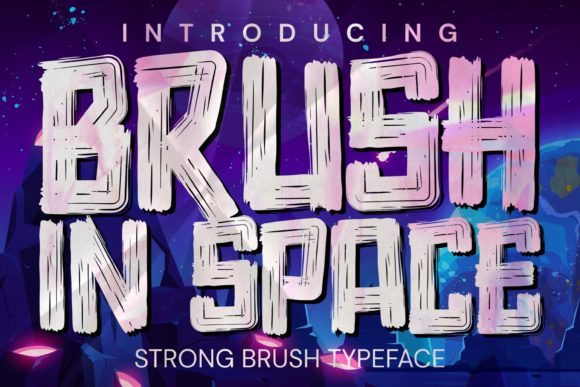
Brush in Space: A Font That Commands Attention
Imagine scrolling through a feed filled with predictable, clean sans-serifs. Your eyes glaze over. Then, something different catches your attention—a bold, textured headline that feels both energetic and sophisticated. It’s not just a word; it’s a statement. This is the kind of immediate impact that the right display typeface can deliver, and it’s exactly where a font like Brush in Space shines. It’s not a tool for body text; it’s the exclamation point in your visual vocabulary, designed for moments that need to be remembered.
More Than Just Letters: Understanding Its Visual Character
At its core, Brush in Space is a bold, brushed display font. Think of the confident, sweeping strokes of a wide paintbrush, but with a modern, almost cosmic precision. The letters have a substantial, weighted presence, yet the visible texture and slight irregularities in the brush strokes prevent them from feeling cold or mechanical. This duality is key to its appeal. It carries the raw, human energy of hand lettering while maintaining the clarity and scalability required for professional digital and print applications. It’s a typeface that doesn’t just occupy space—it defines it.
This unique character makes it incredibly versatile for projects that need personality. Unlike a delicate script that might get lost or a stark geometric font that can feel impersonal, Brush in Space strikes a balance. It’s assertive without being aggressive, stylish without being frivolous. For a designer, this means it can adapt to a range of tones, from a high-energy fitness brand to a boutique coffee shop with a modern edge.
Where Bold Typography Meets Real-World Projects
So, where does a font like this actually fit? Its strength lies in headline and accent applications. Let’s break down some practical scenarios where it can elevate your work.
For branding and logo design, a typeface is often the first touchpoint of a brand’s identity. Using Brush in Space for a logo or a brand mark can instantly communicate creativity, dynamism, and a hands-on approach. It’s particularly effective for businesses in the creative, food, lifestyle, or adventure spaces. A craft brewery, a surf school, an indie record label, or a modern bakery could all build a powerful identity around its textured, confident letterforms.
When it comes to packaging design, shelf appeal is everything. The bold weight and unique texture of this font make product names and key descriptors pop, even from a distance. It can help a product stand out in a crowded online marketplace or on a physical shelf, conveying quality and artisanal care. Pair it with a clean, simple sans-serif for product details, and you have a balanced, professional layout.
In the digital realm, social media graphics and website headers are prime territory. A static post or a website hero section needs to grab attention in milliseconds. A title set in Brush in Space acts as a visual magnet, stopping the scroll and drawing the eye. It’s perfect for announcing a new product, promoting a sale, or featuring a blog post title. For bloggers and content creators, using it consistently for article titles or video thumbnails can become a recognizable part of their personal brand, enhancing visual consistency and brand recognition.
Don’t overlook print materials and merchandise. From event posters and flyers to t-shirt designs and tote bags, this font brings a tactile, artistic quality that translates beautifully to physical items. Its robust form ensures it remains legible and impactful, even when printed on fabric or textured paper. For invitations—whether for a wedding, a product launch, or a workshop—it sets a tone that’s both celebratory and stylishly modern.
Strategic Pairings and Practical Considerations
Choosing a display font is just the first step. The real magic happens in how you use it alongside other typefaces. A common and effective strategy is to pair a bold, expressive font like Brush in Space with a highly readable, neutral typeface. Think of it as a conversation: the display font makes the bold opening statement, and the supporting font provides the clear, easy-to-follow details.
For example, pair it with a clean sans serif font like Helvetica, Open Sans, or Lato for body text on a website or in a brochure. The contrast is immediate and pleasing. Alternatively, for a more sophisticated editorial layout, you could try pairing it with a classic serif font like Garamond or Times New Roman. The key is to ensure the supporting typeface doesn’t compete for attention but instead provides a calm, readable foundation.
Always test your font pairings in context. Mock up a social media post, a website banner, or a product label before finalizing. Check readability at different sizes, especially for longer words or phrases. While Brush in Space is designed for clarity at display sizes, ensuring your chosen combination works harmoniously is a non-negotiable part of the design process.
When you acquire a premium font like this, review the full package. It may include multiple styles—such as regular, italic, or even alternate characters—that expand its utility. Understanding what’s included allows you to fully leverage the typeface across all your design assets. Finally, always be mindful of commercial licensing. A reputable font comes with clear licensing terms that allow you to use it confidently in client work, on merchandise, and across all your digital and print projects without legal concerns. This peace of mind is a critical part of investing in professional typeface resources.
Ultimately, integrating a font like Brush in Space into your toolkit is about adding a powerful voice to your visual storytelling. It’s a solution for when you need more than just words on a page—you need presence, energy, and a memorable aesthetic that aligns with your project’s goals. By applying it thoughtfully to the right contexts and pairing it wisely, you transform typography from a simple utility into a strategic asset for engagement and brand building.