Banner: A Typeface That Commands Attention
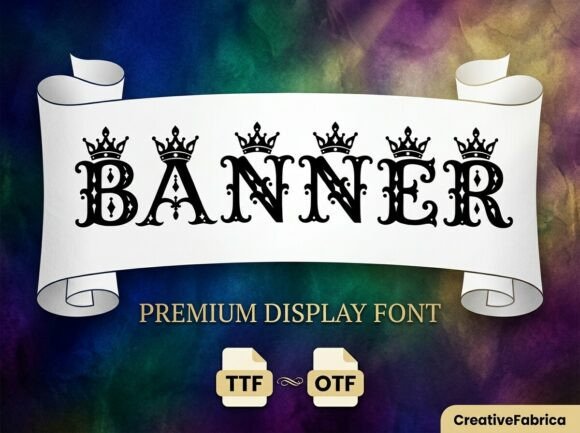
You know the feeling. You’ve spent hours refining a logo, a social media graphic, or a product label, but something feels muted. The message is there, but the visual punch isn’t. This is where a font like Banner enters the conversation. It’s not just another typeface; it’s a declarative tool. This decorative display font is engineered to be the visual exclamation point in your design, transforming standard text into a bold statement piece. Its unique artistic elements give every letterform a distinct personality, ideal for projects that refuse to blend into the background.
More Than Just Letters: The Visual Personality of Banner
What makes a display font stand out? It’s the balance between artistry and function. Banner achieves this with strong, confident strokes and carefully crafted details that ensure each character feels both unique and cohesive. This isn’t a font for body text; it’s a specialist. Think of it as the headline act, the logo centerpiece, or the packaging hero. Its all-caps design is intentional, creating a uniform block of text that radiates authority and modern flair. When you choose Banner, you’re selecting a typeface with a built-in visual hierarchy—it’s designed to be read first and remembered.
For creators, this opens up a world of practical applications. Imagine a small-batch coffee brand using Banner on its bags to instantly convey a premium, artisanal feel. Picture a social media graphic for a new product launch where the title jumps off the screen, stopping the scroll. Consider a wedding invitation where the couple’s names are rendered in this stunning font, setting an elegant and unforgettable tone. From bold logos and creative packaging to eye-catching posters and merchandise, Banner provides the visual weight needed to make an impact.
Practical Applications for Real-World Projects
Let’s get specific. How does a font like this integrate into your workflow? The versatility is its strength. As a premium font, it comes with the professional files you need—OTF and TTF—ensuring compatibility whether you’re working in Adobe Illustrator for a logo or in Canva for a quick social post.
- Branding & Logo Design: A strong brand identity starts with distinctive typography. Banner can serve as the foundation for a logo that needs to feel confident and modern. Its visual consistency across applications—from business cards to website headers—reinforces brand recognition.
- Packaging & Editorial Design: On shelf, packaging has milliseconds to make an impression. Banner’s high-impact nature makes it perfect for product names, taglines, or series titles in packaging design. Similarly, in editorial design for magazines or blogs, it can create striking pull quotes or section headers.
- Digital & Print Marketing: For social media graphics, website banners, or email marketing headers, this font grabs attention in a crowded feed. For print materials like posters or flyers, it ensures your key message is seen from a distance.
The key is to use it strategically. Pair it with a simpler, highly readable sans-serif or serif font for body copy to create a clear font pairing. This contrast allows Banner to shine in its role as the attention-grabber while maintaining overall readability for longer text.
Integrating a Statement Font into Your Design Strategy
Choosing a display font is a strategic decision. It’s not just about what looks cool; it’s about matching typography to your project’s goals. Ask yourself: What is the primary emotion or message I want to convey? If it’s confidence, creativity, or a touch of artistic rebellion, a font like Banner is a strong candidate.
Before committing, test it. Mock up your logo, create a sample social post, or lay out a product label. See how it interacts with your color palette and imagery. This practical testing phase is crucial. Because Banner is an all-caps typeface, consider the readability considerations for your specific use case. For a short, punchy headline on a poster, it’s perfect. For a website’s main navigation bar, you might opt for a more conventional font.
Also, think about licensing. As a commercial font, ensure the license covers your intended use—whether for a client project, merchandise for sale, or digital products. This is a fundamental part of using design assets professionally and ethically.
Ultimately, a font like Banner is a tool for visual communication. It helps you cut through the noise, establish a memorable brand identity, and present your work with a polished, professional finish. It’s for the entrepreneur who wants their new venture to look established, the designer crafting a standout portfolio piece, or the content creator aiming to elevate their visual storytelling. When your message needs to be seen, give it a voice that’s impossible to ignore.