Stop Lost: Capturing Urban Grit in Your Brand's Visuals
There’s a certain energy that comes from street art, the kind of raw, unapologetic boldness that grabs your attention from a city wall or the back of a denim jacket. Translating that vibe into a digital design isn't always easy, but typography is often the bridge that makes it possible. If you’ve been hunting for a typeface that channels that rebellious, urban spirit while maintaining a polished, professional edge, you might have just found your match. This particular display font doesn't just sit on the page; it stands up and demands to be noticed, making it a powerful tool for anyone looking to inject some serious attitude into their creative projects.
Understanding the Street Art Aesthetic
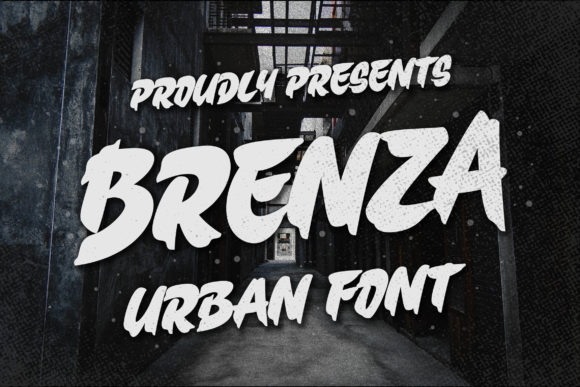
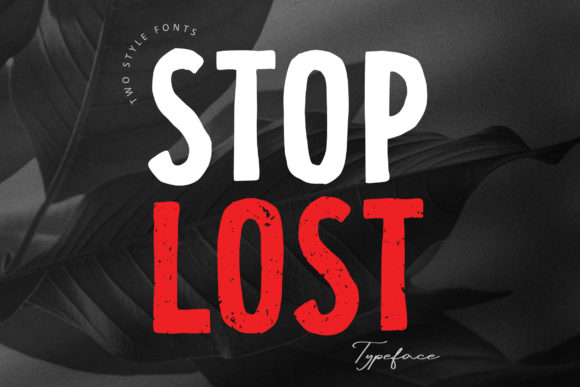
When we talk about a font having a "street art vibe," we aren't just referring to jagged edges or spray-paint textures. It’s about the structure and the weight of the letters. A strong display typeface like this relies on heavy, blocky proportions and a condensed form. It evokes the feeling of graffiti tags and bold block letters seen on murals, but it does so within a framework that ensures legibility. This is the sweet spot for designers: you get the aggressive, eye-catching look of the streets without sacrificing the clarity needed for logos, headers, and merchandise.
The visual appeal lies in its versatility within the "bold" category. Whether you are working on a dark, gritty background for a music festival poster or a clean, white background for a minimalist clothing brand, the typeface holds its own. It provides immediate weight to a design, ensuring that your message isn't lost in the visual noise of a busy layout. For entrepreneurs in the fashion or sports industry, this is particularly valuable. You need a font that looks as good on a billboard as it does embroidered on a hoodie, and the heavy, geometric nature of this style delivers exactly that.
Practical Applications for Modern Brands
Let’s move past theory and look at where this typeface actually shines in the real world. If you are a small business owner or a content creator, your visual assets need to work hard for you. Here is how a bold, street-styled font can elevate specific areas of your design workflow:
- Merchandise and Apparel: This is the font’s home turf. For t-shirt designs, sportswear, and caps, you need high contrast. The thick strokes of the letters ensure that the design pops against fabric, whether you are using screen printing, embroidery, or direct-to-garment methods.
- Logo Design: If your brand identity leans toward urban culture, sports, gaming, or modern youth trends, this typeface sets the tone immediately. It signals confidence and energy. However, because it is so distinctive, it works best for the main wordmark or logotype, paired with a cleaner secondary font for supporting text.
- Social Media Graphics: On platforms like Instagram or TikTok, you have about two seconds to stop a user from scrolling. Bold headers created with this font can act as visual anchors for quotes, announcements, or sale alerts. It ensures your text is readable even on smaller mobile screens.
- Packaging Design: Think about a new energy drink, a skateboard brand, or a streetwear startup. The packaging needs to reflect the product inside. Using a bold display typeface helps create shelf appeal, making the product look substantial and high-energy.
Bridging the Gap: Pairing and Professionalism
One of the biggest mistakes designers make with heavy display fonts is using them for everything. A block of text written entirely in a thick, bold style can be exhausting to read. The key to using a typeface like this effectively is contrast. This is where the art of font pairing comes into play.
Because the primary font has such a strong personality—think of it as the loud, charismatic lead singer of your design—you need a backup singer that complements without competing. A clean sans serif font or a simple serif font usually works best for body copy. For example, if you are designing a poster for a local event, use the bold street font for the headline and the date, but switch to a legible sans serif for the venue details and ticket information. This creates a visual hierarchy that guides the viewer’s eye naturally.
Furthermore, consider the context of modern typography trends. We are seeing a resurgence of brutalism and raw aesthetics in web design and editorial layouts. This font fits perfectly into that trend, offering a way to break the grid and create layouts that feel dynamic and energetic. It’s not just about being loud; it’s about being intentional. When you match this typography with your project goals—perhaps a high-impact sales banner or a bold magazine cover—you are communicating that your brand is current, confident, and relevant.
Making It Work for Your Workflow
Before you download and start designing, it’s worth taking a moment to review the specific assets included with the font package. Most premium fonts come with various styles that can drastically expand your creative options. Look for variations like Italic or Outline versions. An italic version can add a sense of speed and motion, perfect for sports branding, while an outline version allows you to layer the text over images without obscuring the background completely.
Another practical consideration is licensing. If you are a freelancer or a business owner, ensure you are purchasing the correct commercial license. Using a "free for personal use" version for a client’s logo or a t-shirt you plan to sell is a common pitfall that can lead to legal headaches down the road. Investing in a legitimate commercial font ensures you have the rights to monetize your designs and protects your business.
Ultimately, adding a typeface with this much character to your toolkit is about expanding your range. It allows you to step outside of safe, corporate aesthetics and tap into a visual language that resonates with younger, more dynamic audiences. Whether you are designing a logo for a new startup, mocking up a clothing line, or creating a digital product that needs to stand out, having a bold, street-art-inspired option ready to go can be the spark that takes a project from "good enough" to unforgettable. It’s about giving your words the weight and presence they deserve.