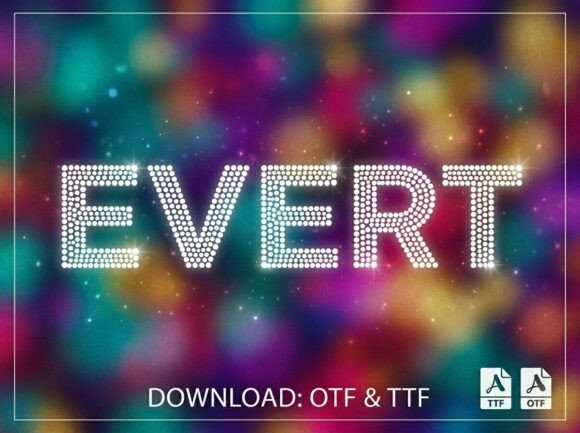
Evert Font: A Display Typeface for Bold, Artistic Projects
Every designer knows the moment: you’re scrolling through font libraries, searching for that one typeface that doesn’t just sit quietly on the page but demands attention. The kind of font that turns a standard headline into a conversation starter, or transforms a simple logo into a memorable mark. For creators tired of settling for safe, predictable typography, discovering a font with genuine personality feels like uncovering a hidden tool in your creative arsenal.
A Typeface with Visual Authority
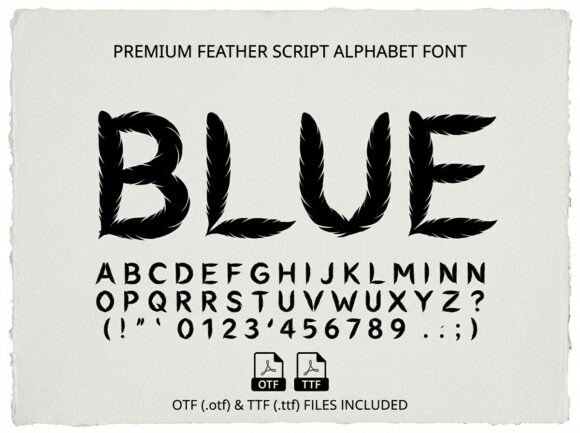
Evert enters the design space as a decorative display font built for impact. Its letterforms carry a distinct artistic flair—think strong geometric foundations softened by unique curves or unexpected details that give each character its own visual story. This isn’t a font for body text or quiet paragraphs; it’s engineered to be the focal point. The all-caps design choice reinforces this intention. Every letter stands at attention, creating a uniform visual weight that works exceptionally well in contexts where you need immediate, unapologetic presence.
What makes this particular typeface stand out in a crowded market of display fonts? It balances personality with polish. Some decorative fonts sacrifice professionalism for flair, becoming difficult to read or feeling like novelty items. Evert manages to be both artistically expressive and clean enough for commercial applications. The strong visual personality comes through without descending into chaos, making it a versatile player in your design toolkit.
Where This Font Truly Shines
Understanding where a display font works best helps you deploy it effectively rather than wasting time on unsuitable applications. Let’s walk through practical scenarios where Evert’s characteristics translate into real results.
Branding and Logo Design: When building a brand identity, your logo and primary headlines need to communicate your essence instantly. A font like Evert can become the cornerstone of a visual system for brands that want to project creativity, confidence, or artisanal quality. Imagine it paired with a clean sans-serif for a boutique coffee roaster, a luxury candle maker, or an independent design studio. The font does the heavy lifting of personality while the supporting typeface handles readability.
Packaging and Physical Products: On shelf or in hand, packaging has seconds to make an impression. Evert’s bold, all-caps structure works beautifully for product names on labels, box fronts, or merchandise. Think of a hot sauce brand with fiery typography, a cosmetics line with elegant yet assertive naming, or a craft brewery wanting to stand out in a crowded cooler. The font’s artistic elements can align with or contrast against product imagery to create memorable packaging design.
Digital Presence and Social Media: In the endless scroll of social feeds, stopping the thumb requires visual distinction. Using Evert for Instagram post titles, YouTube thumbnails, or Pinterest graphics can create a consistent, recognizable aesthetic for your content. For blog headers or website hero sections, it can set the tone immediately, telling visitors they’ve arrived somewhere intentional and curated. Pair it with plenty of whitespace or a complementary body font to ensure the overall design remains balanced.
Editorial and Print Materials: Magazine covers, event posters, book chapter headings, and invitation suites often rely on display typefaces to set mood and hierarchy. Evert could headline a music festival poster, give weight to a wedding invitation’s key details, or create striking chapter openers in a self-published book. Its professional finish means it won’t look out of place in high-quality print production.
Marketing Assets and Digital Products: From email headers to webinar slide decks, from e-book covers to online course modules, consistent use of a distinctive font helps build brand recognition across touchpoints. If you’re selling digital products—templates, presets, guides—incorporating a font like Evert into your branding can elevate perceived value and create a cohesive experience from marketing to product delivery.
Practical Considerations for Effective Use
Choosing a font is only the first step. Using it well requires some thoughtful application.
Font Pairing is Crucial: A strong display font almost always needs a partner. Because Evert is all-caps and decorative, it pairs best with a simpler, highly readable typeface for supporting text. Consider a neutral sans-serif like Helvetica, Open Sans, or Lato for body copy. A classic serif like Garamond or Georgia can also create an elegant contrast. The goal is to let Evert command attention in headlines while the secondary font ensures comfortable reading for longer passages.
Readability in Context: Always test your chosen font at the size and in the medium it will be used. A headline that looks perfect on your 27-inch monitor might become illegible as a small social media avatar. Because it’s an all-caps display font, avoid using it for sentences or paragraphs where mixed case would aid reading flow. Reserve it for short, high-impact text: brand names, single-word headlines, taglines, or initials.
Understanding Your Files: The package includes both OTF and TTF files. The OTF (OpenType Font) is generally the preferred format for modern design software like Adobe Creative Suite, offering advanced typographic features. The TTF (TrueType Font) ensures compatibility across a wider range of systems and applications, from older software to basic word processors. Having both means you’re covered whether you’re designing in Illustrator or need to use the font in a presentation on a colleague’s computer.
Licensing for Commercial Projects: If you plan to use Evert in client work, merchandise for sale, or any commercial venture, always verify the font’s license. Most premium fonts purchased from reputable marketplaces include a commercial license, but terms can vary. Understanding whether the license covers a single user, multiple users, or specific types of products (like print-on-demand) protects you legally and ensures ethical use of the designer’s work.
Matching Typography to Project Goals
Before you fall in love with a font’s aesthetic, step back and consider your project’s core objective. Typography is a tool for communication, not just decoration. Ask yourself: What emotion should this project evoke? Who is the audience? What’s the primary message?
Evert’s personality leans toward the bold, artistic, and contemporary. It would suit a brand that wants to feel innovative, creative, or slightly avant-garde. It might be less appropriate for a law firm’s website or a medical clinic’s brochure, where trust and clarity are paramount and more traditional typefaces signal stability. However, even in conservative fields, a touch of distinctive typography in a logo or a single promotional piece can help a brand stand out if applied judiciously.
Test the font in context before committing. Mock up a logo, create a sample social post, or design a quick packaging concept. See how it interacts with your color palette, imagery, and overall design system. Does it enhance the message or distract from it? Does it feel authentic to the brand’s voice? This practical testing phase is where good design decisions are made.
Building a Cohesive Visual Language
Consistency is the bridge between a collection of design assets and a recognizable brand. When you select a primary display font like Evert, you’re making a decision that will ripple across multiple applications. Document how you’ll use it: which sizes, which colors, in combination with which secondary fonts, and in what contexts. This style guide—whether a formal document or simple notes—ensures that whether you’re designing a Facebook ad or a trade show banner, the visual language remains coherent.
The strength of a font like Evert lies in its ability to inject personality consistently. It becomes a signature element. Over time, your audience may begin to associate that distinctive typographic style with your brand, even before reading the words. That’s the power of strategic typography: it communicates on a subconscious level, building recognition and emotional connection through visual pattern.
For creators ready to move beyond the ordinary, investing in a typeface with genuine character is an investment in clearer, more compelling visual communication. It’s about giving your projects a voice that isn’t just heard, but remembered.