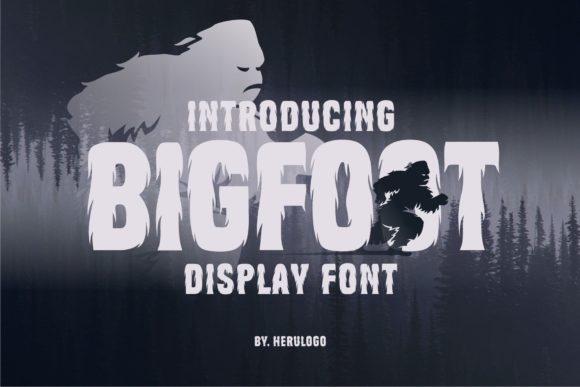
Bigfoot: A Cool, Brushed Display Font for Bold Creators
Sometimes a project calls for something that feels less like typed text and more like a discovery. That’s the feeling behind Bigfoot, a cool, brushed display font with a personality that’s impossible to ignore. It’s not just another typeface; it’s a tool for adding a layer of raw, authentic texture to your work. Think of the slightly rough, hand-painted quality you’d see on a vintage trail marker, a rugged outdoor brand, or the title card of an indie film. This font carries that same sense of adventure and tangible craftsmanship, making it an incredible asset for anyone looking to inject a bit of character into their creative library.
More Than a Name: The Visual Power of a Brushed Typeface
What exactly makes a font like Bigfoot feel so distinct? It’s all in the details. The “brushed” effect isn’t a simple filter; it’s a design characteristic that mimics the natural, imperfect strokes of a paintbrush or a marker. Each letterform has subtle variations in texture and weight, giving the typography an organic, human touch. This immediately sets it apart from the clean, geometric precision of a standard sans serif font or the formal elegance of a traditional serif font.
This textured approach makes Bigfoot a standout display font. It’s designed to be used at larger sizes—think headlines, logos, and pull quotes—where its intricate details can truly shine. When you use a premium font like this, you’re not just choosing letters; you’re selecting a mood. The vibe is confident, creative, and slightly adventurous. It speaks to brands and projects that value authenticity, craftsmanship, and a touch of the unconventional.
Where Bigfoot Truly Shines: Practical Applications
The true test of any creative font is its versatility. While Bigfoot has a strong personality, its applications are surprisingly broad, especially for projects that need to make an immediate visual impact.
- Branding & Logo Design: For a business that wants to appear approachable yet skilled—like a craft brewery, a boutique outdoor gear shop, a tattoo studio, or a artisan coffee roaster—a logo design using Bigfoot can communicate core values instantly. It builds brand recognition by being memorable and distinctive.
- Packaging & Merchandise: On a coffee bag, a hot sauce label, or a t-shirt, the brushed texture adds a tactile quality that makes the product feel more hand-crafted and premium. It’s perfect for packaging design that needs to stand out on a crowded shelf.
- Digital & Social Media: In the fast-scrolling world of Instagram or TikTok, a bold headline in Bigfoot can stop thumbs. Use it for social media graphics, YouTube thumbnails, or podcast cover art to create a strong visual hook that boosts audience engagement.
- Editorial & Web Design: As a powerful display font, it can create striking chapter titles in a book, captivating headers on a web design layout, or dynamic poster art. It helps establish a visual hierarchy that guides the reader’s eye.
- Invitations & Print Materials: For wedding invites with a rustic theme, event posters for a music festival, or menus for a gastro-pub, this typeface adds a layer of stylistic flair that generic fonts simply can’t match.
Integrating a Strong Personality Into Your Visual Strategy
Introducing a font with as much character as Bigfoot into your toolkit is a strategic move for improving visual consistency and professional presentation. The key is to use it intentionally. It’s not a body copy font; trying to read paragraphs of this textured type would be a chore. Instead, think of it as your headline specialist.
A smart approach to font pairing is essential. To maintain readability and balance, pair Bigfoot with a clean, neutral companion. A simple sans serif font like Helvetica, Inter, or Open Sans for your body text creates a perfect contrast. This allows the personality of your headline font to shine without overwhelming the reader. The result is a design that feels both dynamic and professional.
Before committing to a commercial font for a major brand identity, always test it. See how the letters interact in the specific words you’ll use most. Check the kerning (the space between letters) in your design software. A quality typeface like this will include multiple styles or font weights—perhaps a regular, bold, and italic—giving you flexibility within a consistent visual theme.
Making the Choice: Is This Font Right for Your Project?
Choosing the right typeface is a decision that impacts how your message is received. Ask yourself: does my project’s personality align with a rugged, textured, and bold aesthetic? If you’re designing for a client that prides itself on being handmade, local, or adventurous, then a font like Bigfoot could be the perfect fit. It’s a tool for modern typography that leans into authenticity over sterile perfection.
When evaluating any design asset, especially a font for commercial use, review the licensing. Ensure the terms cover your intended use, whether it’s for a client project, merchandise for sale, or a digital product. A legitimate premium font comes with clear licensing that protects both you and the font designer.
Ultimately, the best font choices are those that serve the story you’re trying to tell. If your story involves discovery, craftsmanship, or a bold statement, then exploring the possibilities with a distinctive brushed display font might just lead you to your next favorite design element. It’s about adding a voice to your visuals, one that speaks volumes before a single word of copy is read.