Super Red: A Font That Brings Playful Energy to Your Projects
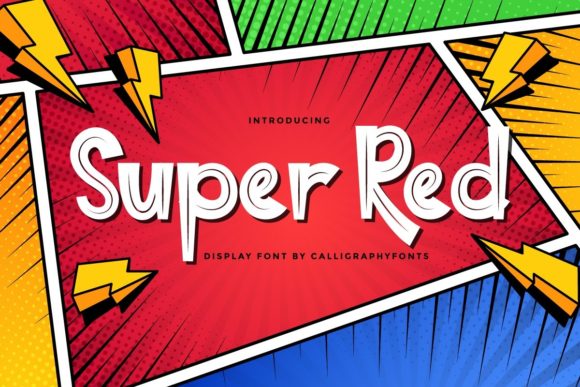
There's something undeniably magnetic about a typeface that makes you smile before you've even read the words. That's exactly the kind of reaction Super Red tends to spark. It's a fun, friendly display font built for projects that need personality—think cartoon branding, children's game interfaces, inspirational quote graphics, eye-catching book covers, and vibrant posters. If your creative work calls for a dose of joy, this typeface delivers it effortlessly.
Why Super Red Works So Well for Creative Brands
Let's be honest: not every project needs a serious, corporate typeface. Sometimes you want your design to feel approachable, energetic, and a little whimsical. Super Red fills that gap beautifully. Its letterforms carry a rounded, bouncy quality that suggests movement and warmth without sacrificing clarity. Each character feels intentionally crafted to maintain legibility while still radiating charm.
What makes this particular display font stand out from similar options is its balance. Plenty of playful typefaces lean so far into quirkiness that they become difficult to read at smaller sizes or feel chaotic in longer text. Super Red sidesteps that problem. The curves are generous, the spacing is thoughtful, and the overall rhythm of the typeface feels inviting rather than overwhelming.
For small business owners building a brand around family-friendly products, educational content, or lifestyle services aimed at younger demographics, this kind of visual tone matters. Your typography is often the first impression a customer has of your brand personality. Choosing a typeface that communicates warmth and accessibility can set the right expectation before a single word is processed.
Practical Applications Across Different Design Contexts
The versatility of Super Red becomes clear when you start mapping it to real projects. Here's where designers and creators tend to find the most value:
- Logo design and brand identity systems — A bakery targeting families, a children's clothing line, or a podcast about parenting could anchor their entire visual identity around this typeface. It pairs well with simple iconography and bright color palettes.
- Packaging design — Think snack brands, toy boxes, craft supply labels, or specialty food products aimed at a fun-loving audience. The font's personality helps products pop on crowded shelves.
- Social media graphics — Instagram stories, Pinterest pins, YouTube thumbnails, and Facebook ads all benefit from typefaces that grab attention quickly. Super Red's bold, expressive character shapes make text readable even at thumbnail sizes.
- Website headers and blog titles — While you wouldn't set an entire blog post in a display font, using it for headlines and section breaks adds visual interest and reinforces brand consistency across your digital presence.
- Print materials and merchandise — Event flyers, t-shirt designs, tote bags, stickers, greeting cards, and invitations all become more memorable with a typeface that has genuine personality.
- Editorial layouts and book covers — Children's books, magazine feature headers, and chapter titles in middle-grade fiction are natural fits for a font with this much character.
- Digital products and marketing assets — Lead magnets, email headers, course graphics, and worksheet designs for educational content creators benefit from a typeface that feels professional yet approachable.
Matching Typography to Your Project Goals
Choosing the right font style isn't just about aesthetics—it's about communication. Every typeface carries emotional weight, and the trick is making sure that weight aligns with what you're trying to say.
Before committing to any creative font for a project, ask yourself a few practical questions. Who is my audience? What feeling should this design evoke? Where will this typeface appear most often—on screens, in print, or both? How does it interact with the other design elements I'm already using?
Super Red shines in contexts where the goal is to feel welcoming, energetic, and optimistic. It's less suited for projects that require formal authority or understated elegance. A law firm's letterhead? Probably not the right fit. A community event poster for a family fun run? Perfect match.
This is where understanding font pairing becomes valuable. A display typeface like Super Red works best when it's combined with a clean, neutral companion. Pair it with a straightforward sans serif font for body copy, and you get the best of both worlds—visual excitement in your headlines and comfortable readability in your paragraphs. Trying to pair it with another expressive typeface usually creates visual competition that confuses the viewer rather than engaging them.
Readability Considerations and Testing Your Choices
One mistake I see regularly, especially from newer designers and DIY creators, is falling in love with a font's personality without testing it in context. A typeface that looks gorgeous at 72 points on your monitor might become illegible at 14 points in a printed brochure.
Here's a practical testing approach that works well:
- Set your actual text in the font at the size you plan to use it. Don't just type "Sample Text"—use real words from your project.
- Print it out if the project is print-based. Screen rendering and ink on paper behave differently.
- Show it to someone unfamiliar with the project. Fresh eyes catch readability issues you've become blind to.
- Test it at the smallest size it might appear. Social media thumbnails, email subject lines, and mobile screens all compress type significantly.
- Check how it looks in both light and dark backgrounds if your design uses varied color schemes.
For Super Red specifically, you'll find it maintains its charm across a reasonable range of sizes, but like any display typeface, it's designed to perform best at larger scales. Use it strategically for headlines, titles, and accent text rather than trying to force it into body copy roles where a standard serif font or sans serif font would serve readers better.
Building Visual Consistency with the Right Typeface
One of the most overlooked benefits of choosing a strong display font early in a project is the consistency it creates across every touchpoint. When your website header, your Instagram graphics, your product packaging, and your printed materials all share the same typographic voice, your brand becomes instantly more recognizable.
This isn't just an aesthetic preference—it's a practical business advantage. Brand recognition drives trust, and trust drives conversions. Whether you're selling handmade candles at a local market or running an online course platform, the visual coherence of your materials tells potential customers that you're intentional and professional.
Super Red works particularly well as a cornerstone typeface for brands that want to project friendliness without sacrificing polish. Its consistent stroke weight and carefully designed letter spacing mean it reproduces reliably across different media, from screen printing on merchandise to digital rendering on various devices.
Commercial Licensing and Practical Next Steps
Before using any premium font in a commercial project, always verify the licensing terms. Most quality typefaces come with clear licensing structures that specify whether the font covers personal use, commercial use, or both. Some licenses are project-specific, while others offer broader coverage.
For Super Red, review the license details to confirm it covers your intended applications. If you're creating client work, make sure the license permits that use. If you're producing merchandise for sale, verify the terms address that scenario. This step takes five minutes and prevents headaches later.
Once you've confirmed the licensing works for your needs, download the font files, install them on your system, and start experimenting. Create a few mockups using your actual project content. Test different sizes, colors, and backgrounds. Try pairing it with two or three different body copy fonts to see which combination feels right for your specific brand or project.
The best design choices come from hands-on exploration rather than theoretical analysis. Super Red has a distinct personality that's easy to appreciate on sight, but its true value reveals itself when you start applying it to real creative work. Give yourself permission to play with it—that's exactly what this typeface was made for.