Letter Shaped Lines: Where Architecture Meets Typography
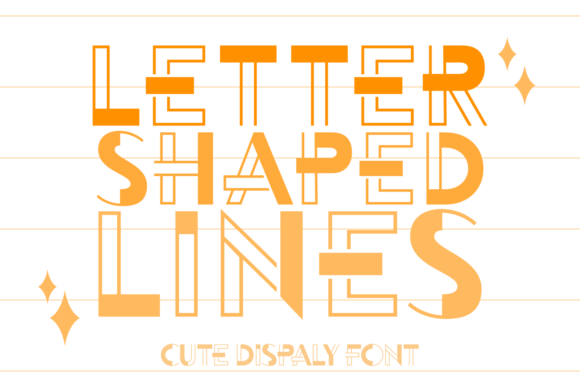
Imagine a typeface that doesn't just sit on the page but constructs itself, letter by letter, from the very building blocks of modern design. This is the compelling world of Letter Shaped Lines, a display font that treats each character as a miniature architectural project. It moves beyond simple curves and strokes, instead assembling its forms from a dynamic interplay of solid geometric blocks and fine, parallel outlines. The result is a visually striking "stenciled" effect, offering a high-contrast, contemporary aesthetic that feels both playful and profoundly intentional. For anyone looking to inject a dose of creative innovation into their visual language, this typeface provides a powerful and unique foundation.
A Typeface with a Modular Soul
What immediately captures attention about Letter Shaped Lines is its distinct visual personality. It’s a premium font that leans heavily into a modular, almost industrial design philosophy. Each letterform is built with a sense of rhythm and structure, as if drafted on a blueprint. The heavy visual weight gives it undeniable presence, making it impossible to ignore in headlines or logos. Yet, the delicate parallel outlines introduce a layer of complexity and lightness, preventing the font from feeling overly bulky or static. This duality is its greatest strength, allowing it to convey both solidity and sophistication simultaneously.
This isn't a font for long paragraphs of body copy. Its role is far more specific and impactful. Think of it as the display font equivalent of a statement piece in interior design—a bold, sculptural element that defines the character of a space. Its modern typography sensibility makes it particularly well-suited for projects that aim to communicate innovation, clarity, and a forward-thinking mindset.
Practical Applications for Bold Creators
So, where does a typeface with such a strong character truly shine? Its applications are as diverse as they are impactful. For branding and logo design, Letter Shaped Lines can become the cornerstone of a memorable visual identity. A tech startup, a creative agency, or an architectural firm could use it to instantly project a sense of precision, innovation, and structured creativity. The font's built-in graphic quality means a logo can feel both typographic and illustrative at the same time.
Beyond the logo, its utility extends across a wide range of design assets. Consider its power in:
- Packaging Design: Imagine a sleek box for a high-end gadget or a minimalist skincare line where the product name is rendered in this architectural typeface. It communicates quality and modern design before the product is even seen.
- Social Media Graphics: In a crowded feed, a post header or a bold quote set in Letter Shaped Lines will stop the scroll. It’s perfect for creating cohesive, eye-catching templates for Instagram stories, YouTube thumbnails, or Pinterest pins that demand attention.
- Editorial Design & Websites: Use it for feature article titles in a magazine layout or for the hero section of a website. It sets a powerful tone for content related to design, technology, innovation, or contemporary art.
- Event & Merchandise: For a creative workshop, a tech conference, or an avant-garde art show, this font on posters, banners, and even merchandise like tote bags or T-shirts creates an instant sense of a curated, professional event.
Integrating Letter Shaped Lines into Your Design Toolkit
Adopting a font with such a distinctive personality requires a thoughtful approach. The key is to use it strategically to enhance, not overwhelm, your project. Start by considering the font's inherent style. Its geometric, stenciled look pairs exceptionally well with clean, neutral sans serif fonts for body text. A typeface like a simple grotesque or a geometric sans will provide a quiet, readable counterpart, allowing the headline font to take center stage without creating visual chaos.
When testing font pairings, always prioritize readability. While Letter Shaped Lines is designed for impact at larger sizes, its intricate details can become muddled if used too small. Always conduct real-world tests: view your design on a mobile phone screen, print a sample at actual size, and see how it holds up from a distance. Its strength lies in headlines, subheads, and pull quotes, not in fine print.
Before purchasing, thoroughly review the included font styles. Many premium fonts like this come with a family of weights or stylistic alternates. Does it include a bold version for extra emphasis? Are there alternate characters that offer a slightly different feel? Understanding the full toolkit ensures you can maximize its versatility across different applications, from a delicate invitation to a powerful poster.
Building Recognition with a Unique Voice
In a marketplace saturated with generic visuals, a font like Letter Shaped Lines offers a tangible way to build brand recognition. When used consistently across your touchpoints—from your website headers to your email signatures and marketing assets—it becomes a recognizable part of your brand's voice. This consistency fosters a sense of professionalism and trust with your audience. They begin to associate that unique visual style with your message and values.
For creative entrepreneurs, content creators, and small business owners, this is a powerful tool. It allows you to achieve a level of visual consistency and professional presentation that might otherwise require a large design budget. It’s an investment in a design asset that can elevate everything from a simple social media graphic to a full-scale brand identity system.
A Final Note on Licensing and Purpose
As with any commercial font, it's crucial to understand the licensing. Ensure the license you purchase covers all your intended uses, whether for a single client project, for your own business's merchandise, or for digital products you plan to sell. A reputable font foundry will make this information clear.
Ultimately, Letter Shaped Lines is more than just a collection of glyphs. It’s a creative catalyst. It invites you to think about letters not just as carriers of meaning, but as shapes, structures, and pieces of a larger visual composition. By embracing its architectural spirit, you can craft designs that are not only read but truly experienced, leaving a lasting impression of innovation and thoughtful design.