Exploring the Liquid Glass Font: A Rainy-Day Aesthetic
Imagine the way light refracts through a rain-streaked window at night, turning ordinary street lamps into a constellation of soft, blurry orbs. There is a distinct mood in that visual—simultaneously modern, nostalgic, and deeply atmospheric. Capturing that specific feeling in typography is no small feat, yet the Liquid Glass typeface manages to do exactly that. This display font is not just a collection of letters; it is a visual tool designed to inject a specific, high-gloss aesthetic into your creative projects. For designers, brand strategists, and content creators, understanding how to leverage this unique style can be the difference between a design that feels generic and one that feels immersive and intentionally crafted.
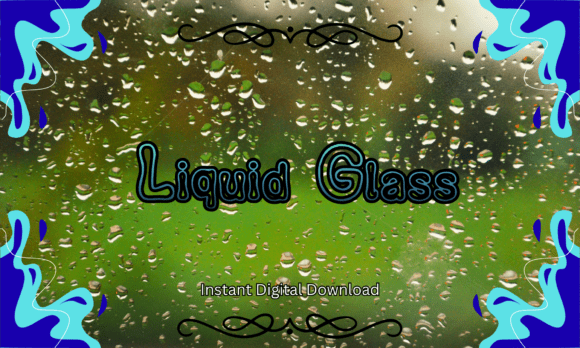
The immediate visual impact of Liquid Glass lies in its glossy bubble outlines and smooth, liquid-inspired contours. It draws heavy inspiration from the sleek, futuristic aesthetics of the early 2000s (often referred to as Y2K) while maintaining a fresh, contemporary edge. The lettering resembles water droplets sliding across a pane of glass, offering a texture that feels tactile and three-dimensional. This makes it a standout choice among premium fonts, particularly when you need a typeface that does more than just convey information—it needs to set a scene.
Visual Communication and Brand Identity
Typography is the voice of a brand, and choosing a display font like Liquid Glass sends a very specific message. If you are building a brand identity that leans into themes of clarity, futurism, or sleek minimalism, this typeface offers a distinct advantage. Consider the difference between a standard sans serif font and the fluidity of Liquid Glass. While a standard sans serif is the reliable workhorse of corporate communication, Liquid Glass is the statement piece. It suggests innovation and a willingness to embrace modern design trends.
For entrepreneurs and small business owners, visual consistency is vital. When your logo, packaging, and social media headers share a cohesive visual language, you build trust. Liquid Glass is particularly effective for brands in the tech, beauty, or lifestyle sectors. For example, a skincare brand could use this font to emphasize the "liquid" nature of their products, while a tech startup might use it to signal a forward-thinking, digital-first approach. However, because it is a stylized creative font, it is best reserved for headlines, logos, and hero images rather than long-form body text.
Practical Applications Across Media
The versatility of the Liquid Glass font package is one of its strongest selling points. It comes equipped with TTF and OTF files, ensuring compatibility with a wide range of software, from Adobe Illustrator and Photoshop to Canva and Procreate. This means you aren't limited to one medium; you can carry this aesthetic across your entire marketing ecosystem.
Here is how you can apply this font style to various projects:
- Packaging Design: In a crowded marketplace, shelf appeal is everything. The glossy, bubble-outline effect of the font can make product names pop, especially on matte packaging where the contrast in texture creates a premium feel.
- Social Media Graphics: Platforms like Instagram and TikTok thrive on visual hooks. Using Liquid Glass for overlay text on reels or static posts creates an immediate "stop-scroll" effect. It fits perfectly with the current resurgence of retro-futurism trends.
- Merchandise and Sublimation: If you sell physical goods like stickers, t-shirts, or wall art, the smooth, rounded nature of this modern typography translates beautifully to print. The letters are distinct enough to remain legible on curved surfaces or textured materials.
- Web Design: Using a stylized font for website headers can break the monotony of standard web typography. It draws the eye immediately to your value proposition.
Pairing and Readability Considerations
One of the most common mistakes in design is using a highly stylized font for everything. While Liquid Glass is visually striking, it is a display font, meaning its primary job is to grab attention. For the best results, you need to master the art of font pairing.
Because Liquid Glass has high visual complexity—bubbles, gloss, and fluid shapes—it pairs best with clean, neutral typefaces. A simple sans serif or a classic serif font can ground the design, ensuring that your message remains readable. For instance, if you are designing an invitation, use Liquid Glass for the main header (e.g., "You're Invited") and a clean sans serif like Montserrat or Open Sans for the time and location details. This contrast ensures that the rainy window aesthetic enhances the design without overwhelming the viewer.
Always test your typography on different screen sizes. A font that looks like sleek glass on a desktop monitor might lose some detail on a small mobile screen. Ensure that the "bubbles" in the letters do not merge or become too small to decipher when scaled down.
Licensing and Commercial Use
For professionals, the utility of a font is defined by its licensing. Liquid Glass includes commercial use rights, which is a critical factor for designers and business owners. This license typically covers a broad range of applications, including client work, merchandise sales, and digital products. Whether you are designing a logo for a client or selling digital artwork on Etsy, the included license ensures you are operating within legal boundaries.
When you download the package, you receive both TTF and OTF files. The OTF (OpenType Font) file is generally preferred for professional design work as it often contains more advanced typographic features, though the TTF (TrueType Font) ensures maximum compatibility across older systems and specific cutting machines like Cricut or Silhouette.
Enhancing Audience Engagement
Ultimately, the goal of any design asset is to facilitate communication. In a digital landscape saturated with content, the right typeface can be the hook that draws an audience in. Liquid Glass offers a specific emotional resonance—it feels nostalgic yet futuristic, familiar yet unique. By incorporating this font into your visual strategy, you are not just choosing letters; you are choosing a mood. It allows you to create designs that feel polished and professional, elevating your brand's visual identity and helping you connect with an audience that appreciates thoughtful, aesthetic-driven design.